




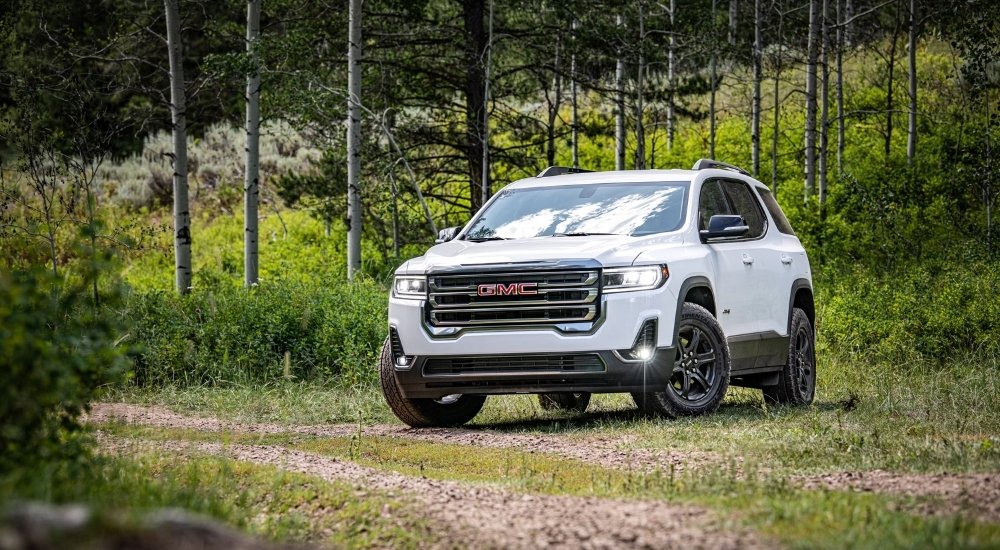
Have you ever had thoughts about driving another car? Perhaps one with a bold exterior and high-sitting wheels. Or how about one with technology and safety features that are better than other cars? It’s completely natural; there are many, many new and used vehicles out there that are worth checking out, and wanting to peek inside their stylish interiors is a bonus when car shopping. However, what does that mean for your old car? You don’t just want to haul it off to the junkyard to be crushed. I mean, you made an investment, and that entitles you to a return. As much as you may feel odd about letting go of the vehicle you have had for so long, everyone has to do it eventually—and probably more than once.
You have a couple of options for your current ride: you can pass it down to your kids, give it to charity (yes, you can donate cars working or not), send it to the junkyard (which I highly do not recommend), or sell it. While it can be nice to pass it along or donate to the less fortunate, many people do not have the luxury to let their current car go without getting some money in return, especially if they are purchasing a new ride for themselves. Gifting, donating, and junking are simply not lucrative options. At some point, most of us have had to say, “I need to sell my car.” While on the face of it, selling a car seems pretty straightforward, there are some considerations a seller has to keep in mind.
Depreciation
No matter what you use your car for, if you own a vehicle, you’ve probably faced the depressing reality of depreciation—the loss of value over time. Did you know that car depreciation happens the minute you drive a brand-new car off the lot? Most cars lose around 20% of their value within the first year alone. While depreciation is unavoidable, there are ways to calculate how much value your car has lost. Many free calculators are available online, and you can even use them before making your next purchase. The more you keep track of your car’s maintenance and appearance and are mindful of how much you are traveling, the more you can slow its depreciation.
How is the market value of a car determined? First of all, it is good to remember where you are. Vehicles here in the South will not have had to face rough winters and road salt, but the constant local humidity will take its toll. Instead of checking on the national average of the vehicle you’re driving, start with local prices. You never want to look to third parties for this—places like Facebook MarketPlace, Offer Up, etc., but industry sources that can provide you with reliable data.
There are other factors that you’ll need to consider, too, like your car’s mileage, condition, and, of course, make, model, and year. If this all sounds a little confusing (which it can be without the right tools), then I suggest Tradepending, an online tool that can help you balance all your car’s factors and calculate a fair asking price. It makes the process much easier and gives you the answers you need much faster than working it out yourself.

Value
One of the major aspects of setting a price for your car is how it looks. What kind of appearance issues may affect your selling price? It all depends on the type of car you have and the purpose of that car. For example, if you are driving a truck and most of your damage is in the bed and not the cabin, it may affect its value based on whether that buyer is looking for a comfortable ride or one that can handle a tough job carrying heavy loads. You also want to do your best to maintain its exterior because, while it may be superficial, nobody wants to drive around in a car that looks like a lemon, even if it isn’t one. Other factors that can affect the sale value of your car are things you may not even think of, like stickers, cloudy headlights, and window tints. Try to remember that not everyone has the same taste as you; you want to do your best to strip down the car like it is the first day it arrived on the lot.
Can You Sell?
Like the coming and going of seasons, there are business seasons. Just as there is a “right time” to sell lemonade on a hot summer day instead of freezing winters, is there a “right time” to sell your car? Many people might argue that right around April is a great time to sell because some buyers will use their tax refunds to upgrade from their current car. In January, some people like to make a clean start with the new year and keep their resolutions to themselves. However, it is not the time of year or “right time” to sell a car rather than the car’s age that matters. A car’s age can determine how fast you will be able to sell. Typically, that magic number is eight. It will be more beneficial to have a car that is eight years old or less to sell within a reasonable timeline. Mileage, technology and safety features, and style all combine to decrease the demand for older cars.
How about a car that you’re still paying for? Can you sell your car even if you have not paid off the loan? In short, yes. However, if you are privately selling—meaning you are not trading in or selling to a dealership that handles that side of things—things can get complicated. Although you can sell your car privately to a buyer while you still owe money, you can not transfer the title until the debt has been resolved. Most people get around this by using the money they get for their car to pay off the rest of their debt, then they can transfer the title. This can work more smoothly when you work with a dealer.
Know Your Buyer
Besides selling the car to get it off your hands, there are a few more factors to keep in mind. Who is buying my car? Are they car dealers? Is it a random stranger? Why are they interested? Knowing what they plan to use the vehicle for can affect your approach to selling it to them. Also, and importantly, if it is a private buyer, do they have a license?
Always be careful when it comes to buying or selling big-ticket items. There are always scammers around, and you don’t want to end up with a sour taste in your mouth after the sale. Sell your car with someone you trust, ensure payments go through, have all the necessary contact information, and remember to breathe. Selling a car can bring about many emotions, especially if it is your first time or you have had the car for a long time and are emotionally invested. That bittersweet feeling is a part of life, and like the car you are selling, you have to move on.

The End of One Chapter and the Start of Another
If you have a car and want to move on, the best and most popular idea is selling it. Even with car depreciation and watching for scammers, you can earn a good return on the vehicle you are ready to part with. Keep track of the value of your car, remember to “know your buyer,” keep your car looking sharp until you have closed the deal, and everything should go according to plan. Selling your car might be the best thing you’ve ever done with it. It’s time to turn it over to someone else to have adventures with.
Connect with us


- January 2026
- December 2025
- November 2025
- October 2025
- September 2025
- August 2025
- July 2025
- June 2025
- May 2025
- April 2025
- March 2025
- February 2025
- January 2025
- December 2024
- November 2024
- October 2024
- September 2024
- August 2024
- July 2024
- June 2024
- May 2024
- April 2024
- March 2024
- February 2024
- January 2024
- December 2023
- November 2023
- October 2023
- September 2023
- August 2023
- July 2023
- June 2023
- May 2023
- April 2023
- March 2023
- February 2023
- January 2023
- December 2022
- November 2022
- October 2022
- August 2022
- July 2022
- June 2022
- May 2022
- April 2022
- March 2022
- December 2021
- October 2021
- September 2021
- August 2021
- July 2021
- June 2021
- May 2021
- March 2021
- February 2021
- January 2021
- December 2020
- November 2020
- October 2020
Archives
- 2023 GMC Sierra Trim Levels
- Booneville Chevy Dealer
- Booneville GM Dealership
- Cars for Sale
- Certified Pre-Owned Chevy Dealer
- Chevy Dealer
- Chevy Dealer in Collierville, TN
- Chevy Dealer in Corinth, MS
- Chevy Dealer in Olive Branch MS
- Chevy Dealer Near Baldwyn
- Chevy Dealer Near Burnsville
- Chevy Dealer Near Henderson
- Chevy Dealer Near Iuka
- Chevy Dealer Near Me
- Chevy Dealer Near Ripley
- Chevy Dealer Near Savannah
- Chevy Dealer Near Southaven
- Chevy Dealers in MS
- Chevy Equinox for Sale
- Chevy Equinox for Sale in Corinth
- Chevy Financing
- Chevy for Sale
- Chevy for Sale Near Booneville
- Chevy Silverado for Sale
- Chevy Silverado for Sale in Corinth MS
- Chevy Silverado for Sale Near Booneville MS
- Chevy Silverado for Sale Near Iuka
- Chevy Silverado for Sale Near New Albany MS
- Chevy Silverado for Sale Near Selmer
- Chevy SUVs
- Chevy Trailblazer for Sale
- Chevy Traverse Dealer
- Chevy Trax for Sale
- Chevy Trucks
- Electric Car Dealership in MS
- Farmington GM Dealer
- Germantown Chevy Dealer
- GM Lease Turn In
- GMC Acadia Dealer
- GMC Acadia for Sake
- GMC Acadia for Sale
- GMC Acadia for Sale Near Booneville
- GMC Acadia for Sale Near New Albany
- GMC Canyon for Sale
- GMC Dealer
- GMC Dealer Near Crump
- GMC Dealer Near Iuka
- GMC Dealer Near Olive Branch
- GMC Dealer Near Southaven
- GMC Dealer Near Tupelo
- GMC Dealers in MS
- GMC Sierra 1500 for Sale Near Booneville
- GMC Sierra 1500 for Sale Near Ripley
- GMC Sierra 2500 HD for Sale
- GMC Sierra Dealer
- GMC Sierra for Sale
- GMC Sierra for Sale in Corinth
- GMC Sierra for Sale Near Iuka
- GMC Terrain for Sale
- GMC Terrain for Sale in Corinth
- GMC Terrain for Sale Near Booneville
- GMC Terrain for Sale Near Boonville
- GMC Trucks for Sale
- GMC Trucks for Sale Near Ripley
- GMC Yukon for Sale
- GMC Yukon for Sale in Corinth
- Mississippi Used Car Lot
- New Albany Chevy Dealer
- New Albany GMC Dealer
- Ripley Chevy Dealer
- Ripley GMC Dealer
- Sell My Car
- Sell Your Car
- Selmer SUV Dealer
- Selmer Used Chevy Dealer
- Sierra 1500 for Sale in Corinth
- SUVs for Sale
- Tennessee Chevy Dealer
- Trucks for Sale
- Trucks for Sale Near Booneville
- Tupelo GM Dealer
- Tupelo Used Car Dealer
- Uncategorized
- Used Buick Dealers in MS
- Used Cars for Sale
- Used Chevy Dealer
- Used Chevy Silverado for Sale
- Used Chevy Truck Dealership
- Used Chevy Trucks for Sale
- Used GM Dealership
- Used GMC Dealer
- Used GMC Sierra 1500 for Sale
- Used GMC Sierra Dealer
- Used GMC SUVs for Sale
- Used GMC Trucks
- Used GMC Trucks for Sale
- Used GMCs Near Tupelo
- Used SUVs for Sale
- Used Truck Dealer
- Used Trucks for Sale
- Value My Trade