




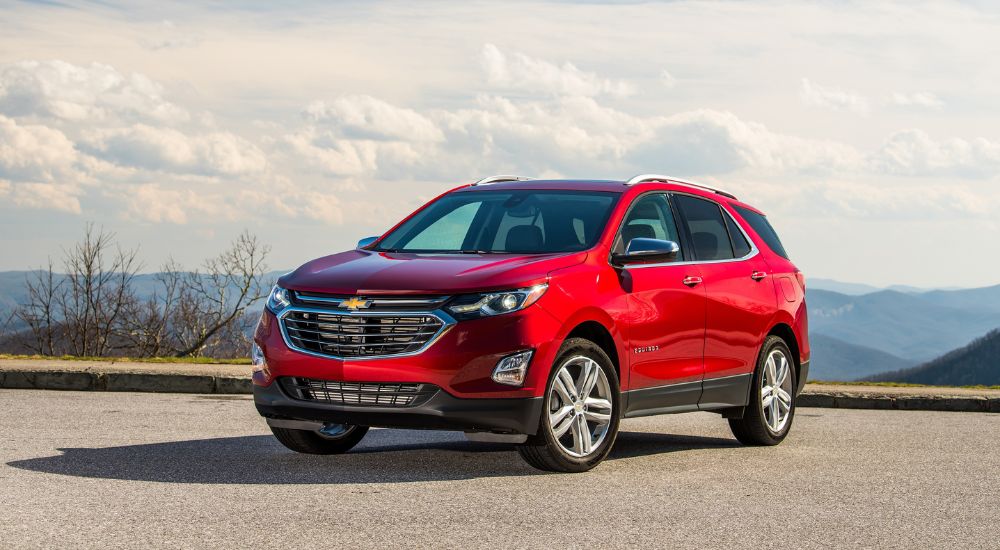
If searching ‘sell my car’ online raises more questions than answers, you’re in the right place! Car buying and selling is what we do best at Crossroads Chevrolet GMC, and when it comes to trading in or selling your car, it’s good to know you have options.
Whether you decide to sell your car or trade it in, it’s a smart move to work with a dealer. When you try to sell yourself, you have to work with a lot of unknowns. You don’t know when your car will sell, if it will sell, or how much you’ll get for it. Working with a dealer who knows their stuff will take those worries off your shoulders and give you the peace of mind you’re searching for. So, should you trade in or sell? What is involved? Whether you’re an experienced car owner or not, selling or trading your car can be challenging.
A Dealer Trade-In
First, let’s look at what it means to trade a vehicle in. Trading in your vehicle is a guaranteed way to sell it fast. It also means you’ll be getting into a new vehicle. When you trade in a vehicle, it’s also important to remember that while this method is a quick and easy way to get yourself into a new ride, you’ll get a little less for your car. This is because dealerships offer wholesale prices rather than market value. Buying a vehicle at wholesale allows them to make a profit when they resell it and deliver a great deal to a buyer.
If you’re not overly concerned with getting top dollar for your vehicle, trading in your old ride at the dealer means you get a few extra dollars towards your new vehicle now rather than later. Keep in mind that it’s in the dealer’s best interest to offer drivers fair and competitive pricing when it comes to trade-ins. Doing your research ahead of time and keeping the condition of your used vehicle in mind will make the whole process more comfortable.
Trade-In Factors
What does a dealer base a trade-in price on? When you research the value of your used model, you’re sure to notice a varying price range, and while many people want to get as much as possible, it’s essential to keep several things in mind.
- Condition: If your vehicle is older, has lots of miles on it, or has visible damage or repairs, this can bring the value down and affect the trade-in offer. If your car hasn’t been clean in decades and is stained, has ripped upholstery, or is damaged in some way, expect a lower offer. Cleaning your car or having it professionally detailed before it’s assessed is a great way to show it off in the best possible light.
- Popularity: Is your model in demand? If your model is one the dealer is always on the lookout for or one they think will sell quickly, you’re bound to get a better offer.
- Car History: Dealers will run a check to verify your vehicle’s history. If it has been involved in an accident, this can lower the trade-in value.
When it comes to trading your vehicle in, many dealers are willing to work with drivers to come up with a price that is fair for everyone. Dealers want to accommodate potential customers, but remember to be reasonable and keep your expectations realistic when negotiating.

Selling Your Car To The Dealer
What if you simply want to sell your car and aren’t looking for a new one? No problem! Many dealerships are happy to work with drivers who simply want to sell. Selling differs from a trade-in because instead of the money rolling over for a new vehicle, the driver gets cash (or, in most cases, a check) in hand. If you have expenses you need to pay or find yourself in possession of a vehicle you don’t need, selling to a dealer can be a great idea.
Selling privately doesn’t have the security that selling to a dealer does. Selling privately puts everything on the seller, whereas a dealer is an auto expert who can assess a price and file the right paperwork, making the process as painless and quick as possible. You will have to pay for that convenience, though. As with a trade-in, when you sell to a dealer, you shouldn’t expect to get market value but rather a wholesale offer. If you don’t have time to mess around with potential buyers and want to sell your car now, working with a dealer is often the best way to do it.
Preparing your vehicle ahead of time to make sure it’s clean and all paperwork is in order will make the process go a lot smoother. If there are mechanical issues like a leak or cosmetic problems like a chip or stains, you might want to invest in repairing them before you bring your car to the dealer. At the very least, be sure to bring them up when discussing a possible sale price. The dealer will go over your vehicle to get a good idea of its current condition, and this will be reflected in the offer they make. Again, it’s in a dealer’s best interest to keep their customers happy, so they will try to offer a competitive price for your vehicle.
Once you and the dealer agree on a price for your car, it’s time for paperwork. This is where it pays off to sell to a dealer; they take care of the fine details for you. Bring your title with you, and the dealer will supply you with a bill of sale.
What If I Have A Loan?
When selling or trading in your car, be prepared to pay off any existing auto loan. After all, it’s not entirely your car to sell if you have an auto loan through a financial institution like a bank or credit union. When talking to a dealer, make sure you bring up the fact there is a loan on the car. Having the current paperwork to show how much you still owe will save a lot of confusion.
What if you want to sell a car with an auto loan attached to it? You have options. When trading in your vehicle, it may be possible to roll over the existing amount owed on the car onto your new auto loan. Or, if the amount on the loan is low enough, you can use the money the dealer offers to pay off the loan.
Example 1: You want to sell. You have a current auto loan for $3,000. The dealer offers to buy your used car for $4,000. This amount will first go towards paying off the 3k auto loan, leaving you with $1,000. The dealer will cut you a check for the remaining $1,000.
Example 2: You want to trade in. You have a current auto loan for $3,000. The dealer offers to buy your used car for only $2,000. That means you still owe $1,000 on your previous loan. You can pay off the $1,000 if you have the money on hand, or talk to the financial team at the dealership and see if you can roll that $1,000 onto the new loan you need for your next vehicle. Remember that if you roll over a previous loan onto a new one, your payment might be higher than you initially calculated.

Feel Good About Where You Shop
Whatever your situation is, the dealer’s sales and financial teams will be able to answer your questions and walk you through the trade-in or selling process so that it is straightforward and headache-free. Knowing your options and keeping your expectations reasonable is a simple way to sell your vehicle and get a fair price.
Ready to trade in a vehicle for your dream car? Making sure your vehicle is in top shape, researching its market value, and looking at the price for a potentially new model you want to buy are good ways to ensure you’re getting the most for your money.
Ready to sell? Save time and frustration when you sell to a dealer. Once again, making sure your vehicle is clean and well-maintained, and you have your paperwork in hand will make the process go quicker.
Whether you want to trade in your vehicle for a new ride or you want to sell it and put some extra cash in your pocket, your best bet is to work with a dealer you can trust. Selling a car yourself is never a sure thing. It can be easy one time and difficult the next. With a dealer, you can expect a professional and friendly experience that will make you feel good about your choices and where you choose to do business.
Connect with us


- January 2026
- December 2025
- November 2025
- October 2025
- September 2025
- August 2025
- July 2025
- June 2025
- May 2025
- April 2025
- March 2025
- February 2025
- January 2025
- December 2024
- November 2024
- October 2024
- September 2024
- August 2024
- July 2024
- June 2024
- May 2024
- April 2024
- March 2024
- February 2024
- January 2024
- December 2023
- November 2023
- October 2023
- September 2023
- August 2023
- July 2023
- June 2023
- May 2023
- April 2023
- March 2023
- February 2023
- January 2023
- December 2022
- November 2022
- October 2022
- August 2022
- July 2022
- June 2022
- May 2022
- April 2022
- March 2022
- December 2021
- October 2021
- September 2021
- August 2021
- July 2021
- June 2021
- May 2021
- March 2021
- February 2021
- January 2021
- December 2020
- November 2020
- October 2020
Archives
- 2023 GMC Sierra Trim Levels
- Booneville Chevy Dealer
- Booneville GM Dealership
- Cars for Sale
- Certified Pre-Owned Chevy Dealer
- Chevy Dealer
- Chevy Dealer in Collierville, TN
- Chevy Dealer in Corinth, MS
- Chevy Dealer in Olive Branch MS
- Chevy Dealer Near Baldwyn
- Chevy Dealer Near Burnsville
- Chevy Dealer Near Henderson
- Chevy Dealer Near Iuka
- Chevy Dealer Near Me
- Chevy Dealer Near Ripley
- Chevy Dealer Near Savannah
- Chevy Dealer Near Southaven
- Chevy Dealers in MS
- Chevy Equinox for Sale
- Chevy Equinox for Sale in Corinth
- Chevy Financing
- Chevy for Sale
- Chevy for Sale Near Booneville
- Chevy Silverado for Sale
- Chevy Silverado for Sale in Corinth MS
- Chevy Silverado for Sale Near Booneville MS
- Chevy Silverado for Sale Near Iuka
- Chevy Silverado for Sale Near New Albany MS
- Chevy Silverado for Sale Near Selmer
- Chevy SUVs
- Chevy Trailblazer for Sale
- Chevy Traverse Dealer
- Chevy Trax for Sale
- Chevy Trucks
- Electric Car Dealership in MS
- Farmington GM Dealer
- Germantown Chevy Dealer
- GM Lease Turn In
- GMC Acadia Dealer
- GMC Acadia for Sake
- GMC Acadia for Sale
- GMC Acadia for Sale Near Booneville
- GMC Acadia for Sale Near New Albany
- GMC Canyon for Sale
- GMC Dealer
- GMC Dealer Near Crump
- GMC Dealer Near Iuka
- GMC Dealer Near Olive Branch
- GMC Dealer Near Southaven
- GMC Dealer Near Tupelo
- GMC Dealers in MS
- GMC Sierra 1500 for Sale Near Booneville
- GMC Sierra 1500 for Sale Near Ripley
- GMC Sierra 2500 HD for Sale
- GMC Sierra Dealer
- GMC Sierra for Sale
- GMC Sierra for Sale in Corinth
- GMC Sierra for Sale Near Iuka
- GMC Terrain for Sale
- GMC Terrain for Sale in Corinth
- GMC Terrain for Sale Near Booneville
- GMC Terrain for Sale Near Boonville
- GMC Trucks for Sale
- GMC Trucks for Sale Near Ripley
- GMC Yukon for Sale
- GMC Yukon for Sale in Corinth
- Mississippi Used Car Lot
- New Albany Chevy Dealer
- New Albany GMC Dealer
- Ripley Chevy Dealer
- Ripley GMC Dealer
- Sell My Car
- Sell Your Car
- Selmer SUV Dealer
- Selmer Used Chevy Dealer
- Sierra 1500 for Sale in Corinth
- SUVs for Sale
- Tennessee Chevy Dealer
- Trucks for Sale
- Trucks for Sale Near Booneville
- Tupelo GM Dealer
- Tupelo Used Car Dealer
- Uncategorized
- Used Buick Dealers in MS
- Used Cars for Sale
- Used Chevy Dealer
- Used Chevy Silverado for Sale
- Used Chevy Truck Dealership
- Used Chevy Trucks for Sale
- Used GM Dealership
- Used GMC Dealer
- Used GMC Sierra 1500 for Sale
- Used GMC Sierra Dealer
- Used GMC SUVs for Sale
- Used GMC Trucks
- Used GMC Trucks for Sale
- Used GMCs Near Tupelo
- Used SUVs for Sale
- Used Truck Dealer
- Used Trucks for Sale
- Value My Trade